
Klasha Business
How to Pay Chinese Suppliers from Africa Without FX Complications
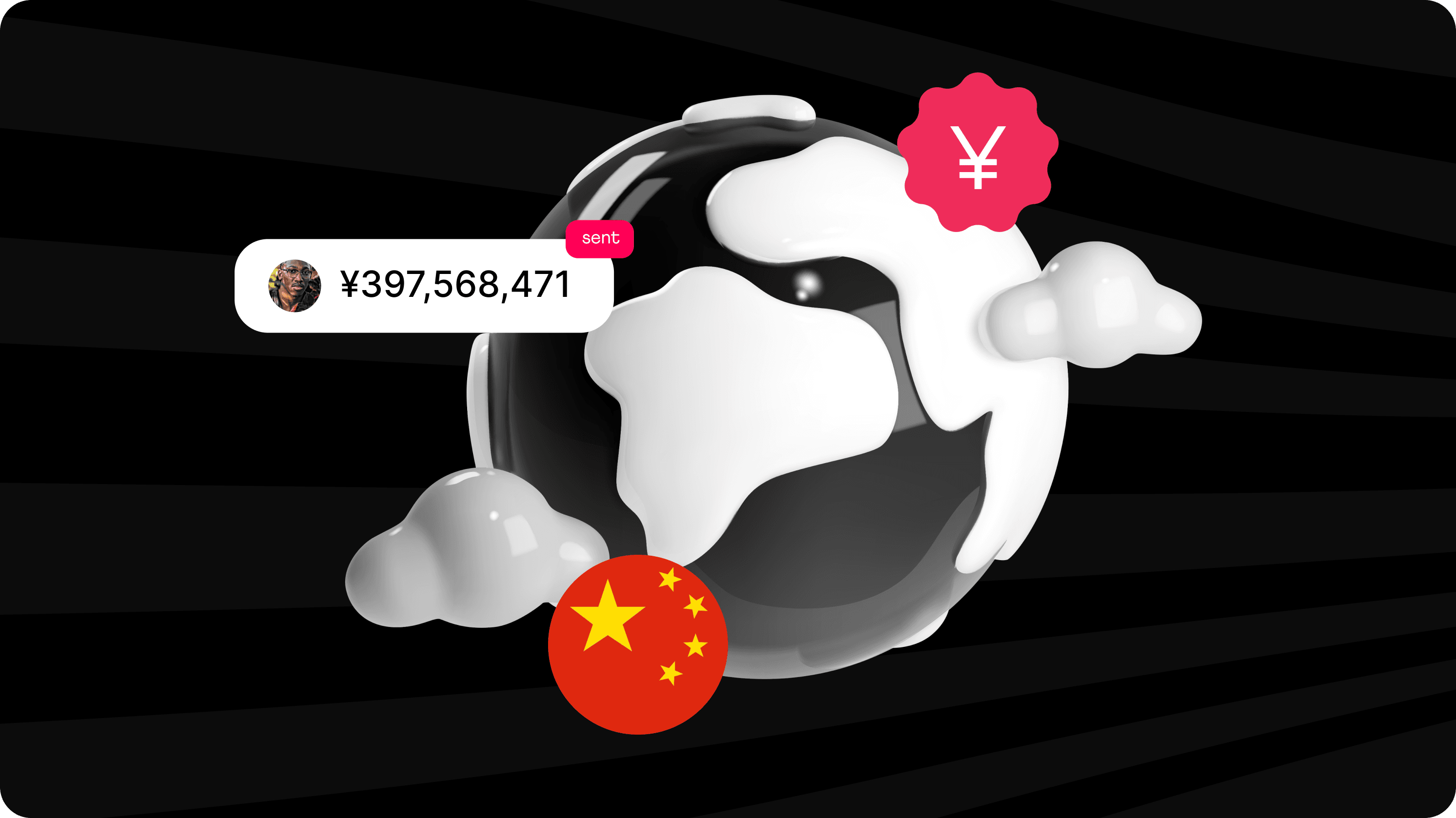
Africa–China trade is booming. Every year, billions of dollars’ worth of goods are imported from China. From electronics to machinery, textiles, and auto parts, goods are being moved across the Chinese border to different parts of Africa. In the first five months of 2025 alone, imports from China surged to $122 billion, 25% year on year.
Even though China-Africa trade is at its peak, there is one thing that remains a problem for African businesses. Payments. Paying Chinese suppliers from Africa is still characterised by slow transaction times, high foreign exchange costs, hidden fees, limited access to foreign currency, and fragmented banking systems that make cross-border transfers frustrating and unreliable.
For African importers, figuring out how to pay Chinese suppliers isn’t as straightforward as it should be, and these challenges have led to lost business partnerships and a lack of trust from suppliers.
The good news? There is a faster, more reliable way for African businesses to send money to China without being trapped by the old challenges of cross-border business payments.
In this article, we’ll break down the challenges African businesses face when paying Chinese suppliers, the fastest way to pay Chinese suppliers from Africa, and the benefits for African importers.
Why Paying Chinese Suppliers from Africa Is a Challenge
1. FX fluctuations and high conversion costs
One of the biggest pain points for African businesses is currency exchange. To send money from China to Africa, businesses have to first convert their local currency to USD. Apart from this being a longer route, USD rates shift constantly, making it nearly impossible to predict how much suppliers will actually receive in CNY. Add on the conversion margins charged by banks, and African importers end up losing money they didn’t budget for.
2. Traditional bank transfers: slow, expensive, unreliable
Bank transfers are still the go-to option for many importers. Unfortunately, they’re far from efficient. Traditional bank transfers can take up to three to seven business days to clear, creating delays that could disrupt supply chains. On top of that, intermediary banks deduct hidden fees along the way, so suppliers rarely receive the full amount sent. The process itself can be frustrating and involves endless paperwork and compliance checks that slow things down even further. For African businesses that need speed and certainty, relying on bank transfers simply doesn’t cut it.
3. Regulatory and compliance hurdles
Cross-border payments often come with layers of red tape. Importers face strict compliance checks, complex documentation, and varying regulations between the African and Chinese financial systems. These hurdles not only slow down transactions but can also lead to rejected payments if requirements aren’t met. For smaller businesses without dedicated finance or compliance teams, navigating this maze can be overwhelming and costly.
4. Lack of trust from suppliers
In cross-border trade, trust is everything. When suppliers don’t get paid on time or when the amount they receive is lower than expected due to hidden fees, it can strain relationships. Some suppliers may even hold back goods until payments clear, causing longer shipping timelines and disrupting sales back in Africa.
Bottom line: For many African importers, the payment process is still stuck in the past.
What African Businesses Need When Paying Suppliers in China
If Africa–China trade is to continue growing, African businesses need to adopt modern payment solutions like Klasha that truly match their needs. To pay suppliers in CNY from Africa efficiently, here’s what matters most:
1. Speed and reliability
Payments shouldn’t take a week to process. Importers need suppliers to receive funds instantly so production, shipping, and delivery timelines stay on track. When the payment process is fast-tracked, both parties are happy, which will eventually lead to long-standing business relationships.
2. Transparent FX rates and reduced volatility
Businesses deserve clarity. No hidden charges or surprise calculations. Business owners should be able to see clear rates on how much the conversions will cost and the CNY equivalent the supplier receives. This way, they can monitor cash flow, budget better, and protect their profit margins.
3. Direct payouts in CNY
African businesses shouldn’t have to go through the daunting process of converting their money first to USD to make payments to China. They should be able to make direct payouts to CNY to avoid the friction that comes with multiple conversions, as well as added charges.
4. A seamless digital platform
No one wants to chase bank officers for payment updates. African SMEs need a dashboard where they can send payments, track status, and confirm receipts instantly. In other words, African businesses don’t just need another transfer option. They need a payment experience built for global trade.
How Klasha Simplifies Payments to China
Klasha’s Pay to China feature makes it simple for African businesses to send money to China without delays, FX headaches, or high fees. Instead of relying on outdated bank transfers, Klasha uses modern payment rails to deliver faster, cheaper, and more transparent transactions. Here’s how it works:
Send money directly from African local currencies
With Klasha, importers can pay suppliers in China straight from their local currency, whether that is NGN, KES, GHS, ZAR, or others, through the Klasha dashboard. There is no need to first convert into USD, which eliminates unnecessary costs and extra conversion steps in the payment process.
Suppliers receive payments instantly in CNY
Chinese suppliers get paid instantly in CNY, without worrying about losses from multiple conversions. For instance, a supplier in Guangzhou shipping electronics can receive full payment the same day in CNY, giving them confidence to do more business with the African importer.
No FX complications or hidden markups
Klasha manages the currency conversion behind the scenes using transparent exchange rates. Businesses know the exact amount being sent upfront, while suppliers know the exact amount they will receive in Chinese yuan. This removes uncertainty and ensures both sides of the trade are protected.
A real-time dashboard built for businesses
Transactions can be tracked in real time through the Klasha dashboard. Importers can view payment history, monitor transaction status, and manage multiple supplier payments all in one place. There is no guesswork, no back-and-forth communication, and no delays.
Benefits of Klasha’s Pay to China for African Importers
Switching to a fintech-first payment solution like Klasha brings clear and measurable benefits for African businesses trading with Chinese suppliers. Beyond simply making payments easier, it transforms the way companies manage costs, relationships, and growth.
Build supplier trust with faster payments
When suppliers in China know they will receive payments instantly in CNY, they are more willing to offer favourable terms, release goods quickly, and prioritise the client. African businesses that use Klasha to pay Chinese suppliers from Africa can strengthen long-term partnerships and trust with suppliers.
Save on hidden fees and poor FX rates
Traditional cross-border payments from Africa to China often come with hidden deductions, multiple conversion steps, and unfavourable exchange rates. These costs silently reduce profit margins, especially for SMEs. Klasha tackles this problem with transparent pricing and real-time rates, so businesses know exactly how much they are paying and suppliers know exactly how much they will receive. With transparent pricing, businesses are able to save more.
Shorter supply chain cycles
Delays in payments mean delays in shipments, which directly affect how quickly goods reach African markets. With Klasha’s Pay to China feature, businesses can send money to China from Africa instantly. This speeds up the order-to-delivery process, reduces downtime, and shortens supply chain cycles.
Frequently asked questions (FAQs)
Q1: How long do payments take?
Payments to China via Klasha take 5 to 10 minutes, unlike traditional methods that could take days.
Q2: Are there any hidden fees?
No. Klasha offers transparent pricing with no hidden fees, so you know exactly what you're paying.
Q4: Can I track my payments?
Yes, Klasha provides a comprehensive dashboard where you can track all your transactions in real-time.
Q5: Can I pay suppliers in CNY directly from my local currency?
Yes, Klasha converts your local currency (NGN, KES, GHS, ZAR, etc.) to CNY instantly, simplifying cross-border trade.
Q6: What payments does Klasha support?
Pay to China supports payments to Chinese bank cards, Alipay wallets, WeChat wallets, and Unionpay.
Conclusion
Africa–China trade is only set to grow stronger. But payments shouldn’t be the one thing holding businesses back from connecting with suppliers.
By choosing smarter solutions like Klasha, African importers can pay Chinese suppliers from Africa quickly, affordably, and without the FX complications that have slowed trade for years.
With Klasha Pay to China, you can send money from local African currencies and ensure suppliers receive instant payouts in CNY. No hidden charges or complications, so businesses can build stronger trade relationships with business partners and not be left out of the opportunities shaping Africa–China commerce.
Ready to get started? Start paying Chinese suppliers instantly with Klasha. Visit dashboard.klasha.com to sign up.